
AI Ethics and Copyright in Marketing: What Every Creator Must Know in 2025
Navigating Ethical and Privacy Challenges in AI Marketing
Picture this: You create an incredible image using AI that looks even better than you imagined. You submit it to a contest—and win. But controversy erupts when others argue the image wasn't truly "yours" since the AI did most of the work. Later, someone else uses your image, and you try to sue them for copyright infringement. Do you actually have a case?
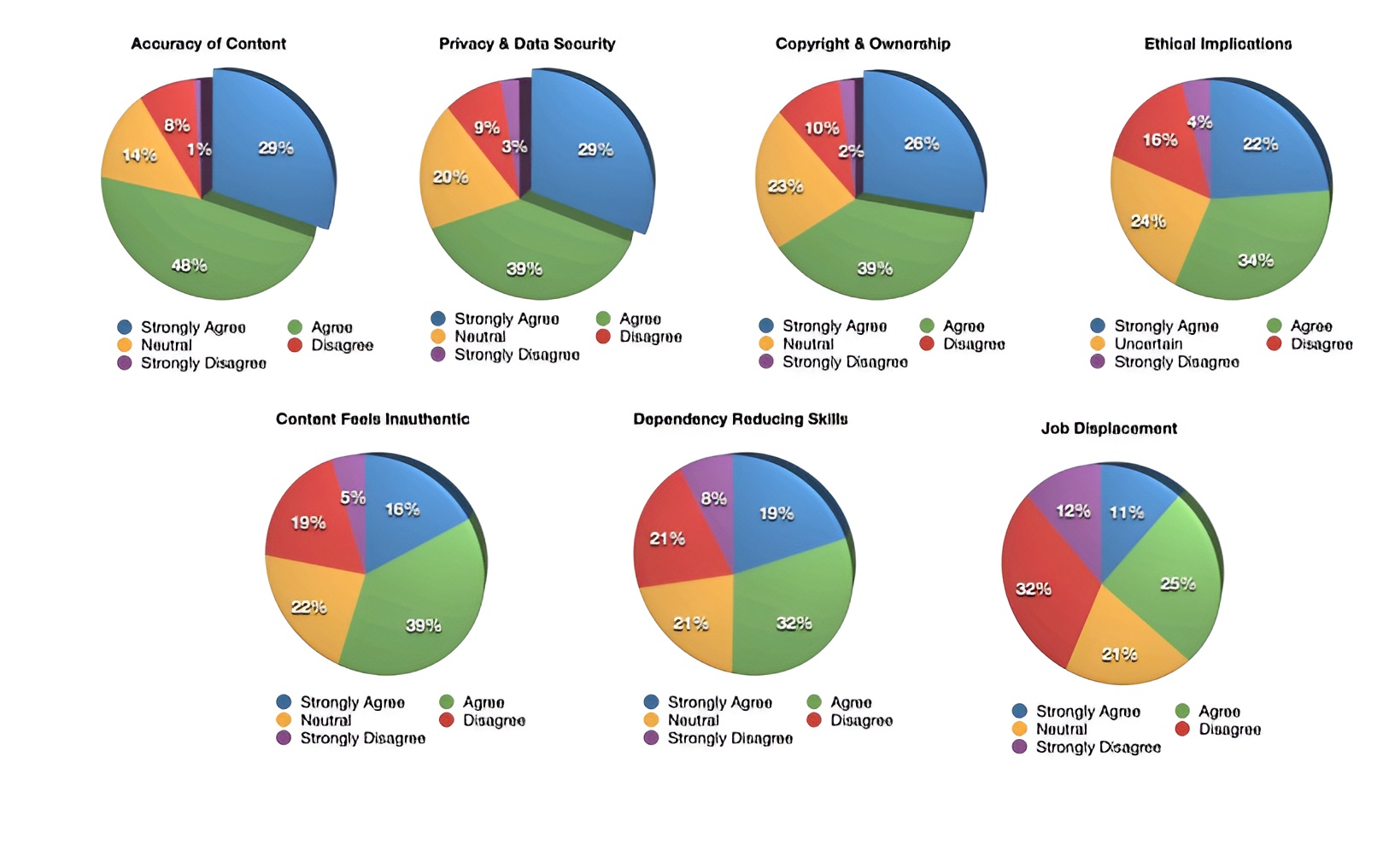
This hypothetical goes beyond imagination—it reflects real marketer concerns. In 2025, 65% of marketers have questions about copyright and ownership among other legal and ethical issues because AI isn't just tech—it's a responsibility.
⚠️ Copyright Reality Check
Copyright law is clear: AI-generated images without significant human creative input aren't eligible for copyright protection. Just pressing "generate" and making minor tweaks won't cut it. You must show substantial human creativity—editing, arranging, or integrating AI-generated content into something distinctly yours.
This isn't a dry legal detail—it's like owning a "creative stamp" that says, "Made by a human artist." If you think of AI as a super-smart paintbrush, the brush itself can't claim ownership; the human wielding it does. The U.S. Copyright Office's 2025 report spells this out clearly.
The Paintbrush and Music Mixer: AI Is Like a Creative Tool—but With Limits
Think of AI as a really advanced paintbrush or a digital music mixing board. When you use a paintbrush, it's your hand guiding it—deciding every stroke and color blend. You hold the creative reins, so you own the finished painting. Similarly, a music mixing board lets you shape sound, layering, adjusting, and composing. You're the composer directing every tone.
Now, substitute the paintbrush with AI. If you guide AI closely, specifying exactly what strokes to make or which colors to blend, you could claim a chance at owning copyright.
The "Black Box" Problem
But here's the tricky part—current AI doesn't simply execute detailed commands like a paintbrush. It works more like a magic paintbrush that sometimes decides on its own how to apply paint, mixing in surprises based on a complex and partly unpredictable "black box" algorithm.
Why Prompting Alone Isn't Enough (For Now)
The U.S. Copyright Office's 2025 report makes it clear: text prompts—even very detailed ones—don't currently provide sufficient creative control over the AI's final output to claim copyright. Giving a prompt is like telling the paintbrush, "Make it colorful," but not directing each brushstroke or blending choice.
⚠️ The Prompting Limitation
Because the same prompt often results in different outputs, the user isn't fully controlling the expressive elements. Without that human artistic "touch," the work is considered mainly AI-made and is not copyrightable.
What Does This Mean for Creators?
Human Authorship is Key
Copyright law says only human creative contributions qualify for protection. Existing cases include a monkey snapping photos or non-human entities claiming copyright—they were rejected. The same applies to AI-generated content. You can think of copyright like a stamp that says, "Made by Human Creativity." If the AI just prints what it's told without human artistry, there's no stamp.
While AI is a powerful tool, your copyright claim depends on how much you shape, edit, and arrange AI creations. You're more like a director or curator than just a prompt writer. This matches how courts view authorship—mere ideas or instructions aren't protected, but the original way you put everything together is.
🎯 Key Insight
Simply telling an AI what to do isn't enough on its own—there's a difference between giving instructions and actively shaping the creative outcome. Think of it like this: if you just say "paint a sunset" to the AI, but it decides how to paint it, the law may see you more as a "prompt-giver" than an author.
However, if you guide, edit, select, or arrange the AI's results thoughtfully, you're taking ownership of the creativity.
Essential Creator Guidelines
- You can use AI as an assistive tool to boost creativity
- Protect your work by being actively involved—editing, arranging, selecting AI outputs
- Understand that just hitting "generate" isn't enough to claim copyright
- Transparency about AI roles and compliance with privacy laws are vital
- Stay informed on evolving laws and best practices
Other Common Ethical Challenges in AI Marketing
🔒 Data Privacy & Security
You've probably heard of GDPR, the General Data Protection Regulation, which is the European Union's strict privacy law designed to give individuals control over their personal data. Then there's CCPA, the California Consumer Privacy Act, which offers similar protections stateside.
Think of privacy laws like the unspoken golden rules of a dinner party: respect your guests' personal space and conversations.
⚖️ Bias & Misinformation
AI learns from the data it's fed, and if that data's biased or flawed, the AI's outputs will be too. GIGO—garbage in, garbage out. It's like giving someone a crooked map; they'll lead you down a biased, wrong path unless you double-check.
Human reviews and bias audits aren't just good practice—they're essential to keep messaging fair and credible.
🔍 Transparency & Trust
If customers find out you're using AI secretly, they might feel misled. Being open about where AI fits into your marketing journey builds trust and keeps your brand relatable.
Transparency isn't just ethical—it's becoming a legal requirement in many jurisdictions.
Legal Regulations Affecting AI Marketing
Marketers face a complex legal maze. GDPR and CCPA set the pace globally on data privacy. GDPR covers any company handling data of EU citizens; CCPA applies to businesses within California meeting certain thresholds. Both laws require transparency and responsibility with personal data.
Global Copyright Standards
Beyond privacy, U.S. copyright law demands tangible human creativity behind AI-assisted works for protection. Though laws differ globally, most countries align on guarding human creativity while wrestling with AI's expanding role.
⚠️ Compliance is Non-Negotiable
For marketers, following these evolving, complex rules isn't optional. It's essential for staying legal and protecting your brand reputation. Fines for violations can reach millions, and brand damage can be irreparable.
Practical Steps to Ethical AI Use
Let's be honest: AI isn't just an optional tool anymore—it's woven into most marketing workflows. The real question isn't if you're using AI, but how you're using it responsibly—to protect your brand, respect your customers, and comply with the law.
Human Oversight & Judgment
Think of AI as your creative assistant, not the director. Always review AI outputs for errors, biases, or anything that doesn't align with your brand values. Your human judgment is the final quality control.
Customer Communication
Don't keep AI a secret. Tell your audience when AI is involved in creating content or making decisions—it's about honesty and connection. Transparency builds trust in ways no algorithm can.
Data Handling & Security
Lock down your data practices. Secure storage, transparent use, and swift disposal of personal info keep you compliant and trustworthy. Since your customers' personal data fuels AI, mishandling data doesn't just risk fines—it threatens the very relationships you want to build.
Team Education
Arm your marketing and legal teams with the latest on AI ethics and laws. An informed team drives smart, ethical AI use. Marketing is now about ethics, governance, and education to keep pace in a fast-moving AI world.
🚀 Action Plan Summary
- Human Oversight: Review all AI outputs before publication
- Transparency: Disclose AI use to customers
- Data Security: Implement robust privacy protections
- Education: Train teams on AI ethics and regulations
- Documentation: Keep records of human creative input
Exciting, but Challenging
AI is an incredible creative ally. How you wield it makes all the difference. Ownership and ethics hinge on human input and responsibility. With honesty, creativity, and care, marketers can harness AI's speed and scale while respecting legal and ethical boundaries—and building genuine trust.
Weaving these principles into your AI strategy will not only maintain compliance but also build a more resilient and trusted brand in the AI era.
Frequently Asked Questions (FAQs)
What's the difference between data privacy and security?
Privacy deals with how information is collected and used; security protects that information from unauthorized access and breaches.
Can I fully automate creative tasks with AI and still own the rights?
No. Current copyright law requires meaningful human involvement in the creative process. Simply letting AI generate content without substantial editing or creative input likely means you don't own the copyright. Think of AI as a tool that needs your artistic direction to produce protected work.
What should I disclose to customers about AI use in marketing?
Transparency is key. Let your customers know when AI influences content or decisions affecting their experience—chatbots, personalized ads, or creative assets. Clear disclosure builds trust and aligns with emerging legal expectations around honesty and consumer rights.