
ChatGPT Prompting: The Marketer's Shortcut to Better Content
In a world where AI is the new marketing, brainstorming, and creative partner, knowing exactly how to communicate with tools like ChatGPT isn't just helpful—it's essential. Knowing how to properly prompt (a skill called prompt engineering) is like holding a master key that unlocks AI's full potential, allowing you to produce content that's sharper, smarter, and tailor-made for your audience.
But behind the magic lies a skill that's part art, part science, and all about clarity of vision. Whether you've been struggling with lackluster AI outputs or just want to accelerate your content game, learning how to craft precise, powerful prompts will transform the way you market—fast. Ready to speak AI's language and turn your ideas into marketing gold? Let's dive in.
What is Prompt Engineering?
Think of prompt engineering as the means to unlocking the full potential of generative AI tools like ChatGPT in marketing. It's about knowing how to talk to AI so it understands exactly what you want—no guesswork, no frustration.
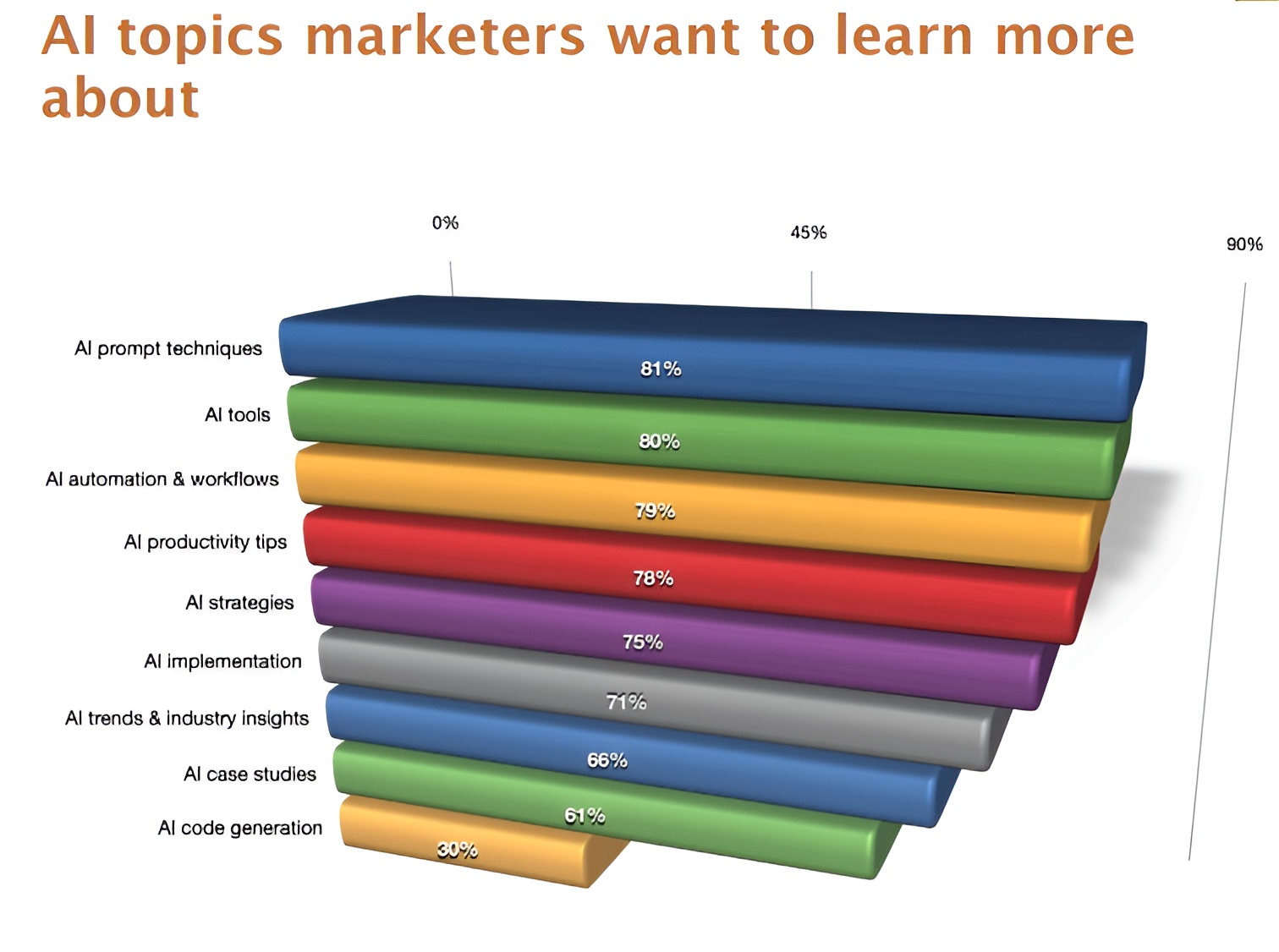
With 81% of marketers saying they want to master AI prompting techniques, it's clear that crafting prompts isn't just a skill, it's becoming an essential tool in every marketer's toolkit. Whether you're refining email sequences, crafting social media copy, or brainstorming headlines, good prompting turbocharges quality and creativity.
Basics of Effective Prompt Crafting
Crafting a solid prompt is the foundation of great AI-assisted content creation. The goal is to give clear, focused instructions so AI can deliver useful, relevant outputs without guessing what you meant—which can open the process up to possible hallucinations.
Specificity: The Key to Precision
Think of AI as a very literal assistant. The more focused and detailed your prompt, the better the AI understands exactly what you want.
This gives AI clearer direction on tone, audience, and purpose, producing content that requires less editing and hits the mark faster.
Context: Providing Essential Background
AI doesn't have memory of your brand or campaign details beyond what you supply in the prompt. Providing background information prevents confusion and helps the AI tailor its response for a cleaner fit.
For example, including details like your industry, target customer, or campaign goals helps AI shape text that fits your marketing voice and strategy.
Clarity: Avoiding Ambiguity
Avoid ambiguous language or jargon that might confuse AI. Write prompts as if you were giving instructions to a new team member—clear and straightforward.
Effective Prompt Structure Includes:
- A direct request (e.g., "Write a blog introduction")
- The content type or format (e.g., "in 150 words")
- The desired tone or style (e.g., "friendly and conversational")
- Any extra constraints or examples (e.g., "include a call to action to subscribe")
Pro Tip: Ask for Clarification Questions
One way I increase the chances of getting what I want is to add this text to my prompt: "Ask me up to 5 questions if you need clarification. Ask me those questions one at a time so that we can arrive at the best possible solution."
I specify a number because if I don't, I risk AI getting too granular and asking too many questions. Remember that these tools are iterative. When you answer a question, that answer helps them narrow things down and ask better questions.
Advanced Prompt Techniques
Once you've nailed the basics of prompt crafting, it's time to take things to the next level with more strategic approaches that get better, richer results.
Layering and Chaining Prompts
Think of this like building a house room by room instead of all at once. Start by asking the AI for a broad outline:
Then, once you have the outline, feed each section back to the AI with more specific prompts:
This refinement approach breaks down complex content into manageable parts, much like we do whenever we're taking on large tasks. Breaking things down improves focus and coherence.
Using Examples and Tone Customization
AI responds well when you show it what you want. If you want a formal email, you can say:
Or adjust tone on the fly:
Providing samples or specifying tone steers AI to produce outputs aligned with your brand voice and audience. Give it that ugly first draft we're told to hide. In many cases, it can pick out the nuggets, build on that, and you have a better chance of coming up with a piece that fits better.
Iterative Refinement
Don't expect a perfect answer right away. Use AI-generated text as a draft, then improve your prompt based on what's missing or off.
For instance, if the first draft feels too generic, follow up with:
This back-and-forth tuning often yields richer, more personalized content than single-shot prompts. With practice, these techniques become natural tools in your creative process, empowering you to get the most from AI while staying fully in control of your message.
Prompt Engineering Tools & Resources
The ecosystem around prompt engineering keeps growing fast. There are tools and marketplaces that now offer reusable templates designed for specific tasks.
Reusable Prompt Templates
One of my most popular products is a coloring book kit with reusable prompt templates that help create consistent AI art.
Marketing Strategy Templates
There's also my premium AI Marketing Strategist template for helping small businesses with growth, launch, or diagnosing marketing issues.
Platform Enhancement Features
Some AI platforms analyze your inputs and suggest ways to improve prompt clarity or structure for better results. Leonardo AI has a prompt enhancement feature that turns a simple prompt into a more detailed one for better adherence.
No one speaks Leonardo better than Leonardo
Combining these tools with your creativity can lead to breakthrough content production speed and consistency.
Real-World Marketing Prompt Examples
Mastering prompt engineering means having ready-to-go examples you can adapt for your marketing projects. Here are some tested prompts that can inspire you or fit straight into your workflow:
Headline Generation
Instead of struggling with catchy titles, try a prompt like:
This targets the audience and topic precisely, saving you brainstorming time. Sample outputs might range from "Green Your Routine: Sustainable Packaging Tips for Millennials" to "Why Eco-Friendly Packaging is the Future of Shopping."
Email Sequences
For nurturing new subscribers or customers, use prompts that add warmth and structure:
This could include an introductory welcome, an overview of best-sellers, and a special offer, all linked by consistent tone and messaging.
Social Media Copy
Quickly generate engaging posts with specific instructions:
The AI might create posts that mix quick tips, encouraging calls to action, and relatable anecdotes designed to increase clicks and shares.
Mastering Your Prompting Journey
Crafting content with AI starts with figuring out how to prompt. There isn't one way to do it, but there are fundamentals that all prompts must have for better outcomes.
It has to be said: Encountering hiccups is normal. AI is imperfect despite the hype. For output that doesn't come out the way you want, common fixes include:
- Making your prompts more detailed
- Splitting complicated requests into smaller parts
- Clarifying the output format you need (bulleted lists, short paragraphs, etc.)
With practice and the right tools, your content quality and productivity will soar.
Dive Deeper Into AI Marketing
Explore how AI is transforming marketing in 2025 with comprehensive data and insights:
Read 2025 AI Industry Report →Frequently Asked Questions (FAQs)
How do I improve poor AI outputs?
Treat AI like an assistant who needs detailed instructions. Refine your prompt with more context or examples and try again. Don't hesitate to iterate—this is an iterative process that improves with practice.
Can prompts be reused across different campaigns?
Yes, prompts can be reused, but tweak them to suit each audience and channel's tone and goals. Reusable prompts save time but personalization keeps content relevant and engaging.
How long does it take to master prompting?
You'll see useful results quickly once you understand the fundamentals, but mastery takes regular practice and experimentation. The journey of developing your prompting ability is often more valuable than reaching a specific destination.